


How to find the right therapist in Vancouver and across BC
You deserve a therapist who actually gets it.
Searching for someone to talk to about vulnerable topics can feel overwhelming. It can leave you in a loop of Googling, hoping that when you find the right fit, all the anxiety about starting therapy will disappear. We want to be honest with you: finding the right fit really does matter, and it is also completely normal to feel anxious about starting counselling even after you find them. As we often say, both things can be true at once.
We hope the questions and guidance on this page help you find the best therapist for you. Whether that ends up being someone at Mareel or not, we genuinely just want you to find your perfect match.
Why fit matters more than anything else
Most people assume that what makes therapy work is the type of therapy, the modality, the techniques, the approach. The research tells a different story. Decades of study consistently show that the therapeutic alliance, the bond between therapist and client, is the single most important predictor of positive outcomes in treatment, regardless of the approach used. Not CBT versus EFT. Not in-person versus virtual. The relationship.
When clients feel that their therapist truly understands them and their needs, they report greater satisfaction with treatment and are more likely to stay engaged and reach their goals. What that means practically is this: a brilliant therapist who is the wrong fit for you will produce worse results than a good therapist who is exactly right.
If you have tried therapy before and it did not work, this may be the reason. And we understand completely why that would make you hesitant to try again.
At Mareel, building trust and rapport is not something that happens alongside the work; it is the work, particularly when the topics are as personal as sexuality and relationships. Whether you are looking for a sex therapist or a relationship therapist in Vancouver or anywhere across British Columbia, we will always prioritize your comfort and collaborate with you on what sessions need to look like for you to feel safe.
We also want you to know: asking your therapist questions is not a sign of difficulty. We see it as exactly the kind of collaboration the research says leads to better outcomes. There can never be too many questions.

What to look for in a sex therapist
It really depends on what you are looking for, but there are some very good parameters to help you start or narrow down your search.
-
The term "sex therapist" or even "therapist" is not a registered or restricted title in BC, which means anyone can use it. The first thing to look for is whether the person you are considering holds a recognized registration. If you want a therapist whose sessions are likely to be covered by extended health benefits, the currently accepted designations in BC are:
Registered Clinical Counsellor (RCC) — BC Association of Clinical Counsellors
Canadian Certified Counsellor (CCC) — Canadian Counselling and Psychotherapy Association
Registered Social Worker (RSW) — BC College of Social Workers
Psychologist — College of Psychologists of BC
It is also worth knowing that the title "psychotherapist" is in the process of becoming a regulated designation in BC, expected to be widely in use by 2027. Sex therapy with any of the above professionals will be strictly talk-based; there is no physical contact involved.
-
A general counselling registration is a starting point, not the whole picture. Look for additional courses, training, and lived experience in the field of sexuality and relationships. Some therapists go further and pursue AASECT certification, the American Association of Sexuality Educators, Counsellors and Therapists, which is one of the most rigorous specialty credentials available. Our own Liz Lesperance is currently completing her AASECT registration.
-
Every sex therapist will have their own areas of expertise. Look for someone with experience and training in the specific area you are working on, and do not be afraid to ask about this during a consultation. There is a wealth of evidence-based research in the field of sexuality, you want someone who is actively engaged in keeping up with it and thinking about how it informs their practice.
-
You need a therapist with enough knowledge and experience to understand how shame and judgment have shaped their clients' lives, and to address that in ways that create genuine comfort and healing. Saying "love is love" is a fine starting point for the general public, it is not enough for a sex therapist. The research tells us that for many people, loving who they want or authentically expressing themselves has been far more complex than a slogan can capture. You want a therapist who goes beyond awareness and is deeply, practically knowledgeable.
-
Registration, additional training in sexuality, experience in your specific area, and an ongoing commitment to addressing their own biases. That is a strong foundation. After that, you can absolutely rely on vibes.

What to look for in a relationship therapist
The same credential principles apply here; start by looking for a registered counsellor or therapist with recognized training. See the section above for the full breakdown of accepted designations in BC.
-
You have every right to ask a potential therapist whether they work with couples and relationships in their practice. Relationship therapy is genuinely different from individual therapy; it requires the ability to track every person in the room simultaneously, hold space for multiple perspectives at once, and navigate the dynamics between people rather than just within one person. It is a distinct skill set, and not every therapist has it or enjoys it. All of us at Mareel love this work, but it is absolutely not for everyone.
Some things worth looking for:
Experience working with couples or relationships, not just individuals
Familiarity with a range of therapeutic approaches for relational work, including Emotionally Focused Therapy, Attachment-based therapy, and Internal Family Systems
Willingness to work with individuals within the relationship, as well as jointly
A clear sense of how they handle situations where two people in the room want different things
-
Ask directly whether your potential therapist has experience in this area.
You want someone who goes beyond being aware and is genuinely knowledgeable. At Mareel we have experience and knowledge of all relationship forms, and we will never assume we know what that means for yours. What works beautifully in one relationship may be completely wrong for another. It is our job to understand your relationship on its own terms.
-
Do you ever take sides?
Sometimes, yes. If one person is using language or exhibiting behaviour that is harmful to someone else or to the relationship, a good therapist will gently name that. Staying silent when something harmful is happening is not neutrality, it is a disservice to everyone in the room.
Do both partners have to be on the same page?
No, and it would actually be unusual if they were. Most people show up to relationship therapy not on the same page; that is often why they are there. A skilled therapist helps navigate that gap and find a common direction. It is also completely common for one partner to be the driving force while the other is reluctant or even resistant. That is workable.
Does coming to therapy mean our relationship is in trouble?
Not at all. We love it when people come well before a crisis, early intervention consistently leads to better outcomes. And if you are in crisis, we want to normalize that, too. It is common, it does not mean your relationship is unsalvageable, and we can help you figure out the next steps.

What questions to ask a sex therapist during your consult?
Any good therapist welcomes questions, so do not be shy. These are just a starting point. Ask anything you would like.
What is your training and experience with [your specific concern]?
How do you work with non-monogamy and alternative relationship structures?
What is your experience and approach with LGBTQIA+ clients?
What does a first session with you look like?
Do you have lived experience in this area?
How long do your clients usually stay in therapy, and how often do you suggest they come?
How will we know if therapy is working?
What if I want to switch therapists or see more than one therapist at once?
Are there any areas or concerns you do not work with?
What does your approach look like if I have had a bad experience in therapy before?

What questions to ask a relationship therapist during your consult?
All of the questions from the sex therapy section above apply here, too. Relationship therapy has its own unique dynamics, though, so here are some additional questions worth asking:
What do you do when the people in the relationship want different things?
Do you work with our relationship structure?
What happens if one of us wants to stop therapy?
Do you ever promise to save or fix a relationship?
How long does relationship therapy usually take?
How will we know when things are getting better?
Do you see partners individually as well as together?
What does a first session look like when more than one person is in the room?
How do you handle it when one partner is reluctant or resistant to being here?
Are there relationship structures or dynamics you do not work with?

Meet the team
We are all very much ourselves here at Mareel. We have a wide array of interests, specialties and experiences. Check us out to see who might be the best fit for your needs. We look forward to working with you!
-

Liz Lesperance
RCC
neurodiversity, performance anxiety, emotional disconnection, shame, painful sex, orgasm difficulties, erectile challenges, low desire and desire discrepancies, all relationship difficulties, sexual explorations
Availability: Mondays and other times upon request. Virtual only
-

Madeleine Downey
RCC
Relationships, codependency, sexuality and intimacy, desire and pleasure, boundaries, anxiety, self-discovery, and the impact of sexual and relational trauma.Availiblity: Flexible schedule throughout week. Virtual only
-

Andriana Bergman
RCC
Relationship dynamics, Sexuality and intimacy, Attachment work, Parenting and family systems, Regulation, Mental health. Healing and navigating domestic violence.Availibility: Flexible schedule throughout the week. Virtual only.
-

Nicole Beach
RCC
Queer and trans-affirming care, ethical non-monogamy, kink-aware support, sexuality and desire, neurodivergence, burnout and compassion fatigue, and support for educators and helping professionals.Availibility: Flexible schedule throughout the week. Virtual only.
-

Tamara McKay
RCC
Sexuality, relationships, life transitions, JDRF certification in diabetes counselling, pregnancy loss, infertility, postpartum adjustment
Availability: After 6 on Wednesday, Saturday mornings and other times upon request. Virtual Only
-

Manjima Salim
RCC
Areas of Focus: Sexuality, relationship issues, kink and sexual exploration, systemic issues
Availability: Thursdays and other times upon request. Virtual only.
-
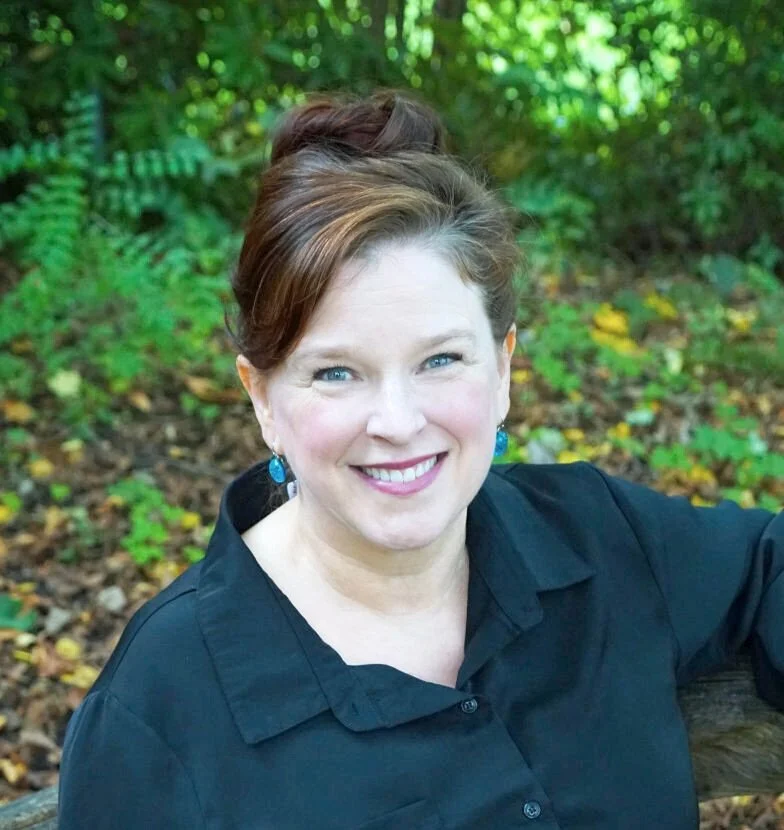
Lisa Shopland-Black
RCC
Relationships of all kinds, sexual difficulties, sexual exploration, desire issues, sexual assault trauma, life transitions
Availability: Monday, Tuesday and Thursdays from 10 am - 6 pm (In Person only on Tuesdays)
-

Julie Crandlemire
Intern
Info Coming Soon! If you are interested in very low cost counselling, contact us to join the waitlist. Julie will be starting in mid June 2026.
How it works at Mareel
Browse our team above and find the therapist who feels right for you, or choose more than one. Then it is as simple as this:
Get in touch with us through the contact page
We will respond within two business days to arrange a free 15 to 20-minute consultation. You can also have a consultation with more than one of us before deciding!
Once you feel ready, you can book your first appointment, and if it feels right, you can also see more than one of us.
There is no wrong place to start — just reach out

Frequently Asked Questions
-
We may be biased, but we feel everyone could benefit from exploring their sexual lives and what they need or want from their relationships. You can ask a potential therapist about this in the consultation to see if what you are looking for is a good fit for their areas of practice. Many people see a sex or relationship counsellor about other issues, they just want to know that their therapist is also knowledgeable and skilled in these areas.
-
Absolutely! Many people prefer to start this exploration alone to clarify their feelings and needs. Some come alone as their partner/s will not come to therapy at this time. Research tells us that positive change can be made in a relationship even if only one partner is in therapy.
-
We get that it is frustrating if your partner will not come with you to therapy. We can’t make them! But we can help you explore these issues on your own and perhaps find a way for you to express this to your partner in a way they can hear. Even if they never join us, change can be made by working on your own needs.
-
While finding the right fit is important, there is also a case to be made for readiness. Perhaps trying a different counsellor will be helpful. Maybe you are just ready to make a change now. A good therapist will work with you to discover what you didn’t like about your previous experience and make sure that you co-create sessions that work for you.
-
Completely! There are only a few areas in which we would need to break confidentially: If you were a danger to yourself or others, if we felt a child was in danger or if our records were subpoenaed by a court of law. These are true for all medical professionals and therapists. Other than those, all is confidential.
-
Yes! In order to see people all over British Columbia, we all offer online sessions. Currently, only Lisa offers in-person in Vancouver. If you haven’t tried online therapy, we encourage you to give it a try! Research tells us it is just as effective as in-person therapy. Also, you might get to meet one of our many pets!
-
This really depends on the issue as some are not at complex and some are complicated and very long standing. Research tells us that most people will feel some relief within 3-6 sessions. Some people even feel that their distress is lessened after one session. However, life keeps happening outside of therapy. So, we are always here to see people for as long as they would like.
-
Almost all of our RCC’s take sliding scale that can be negotiated with them openly and with kindness at the consultation. If you are looking for very low cost and even free therapy, please reach out to be connected with our wonderful intern!

The hardest part is reaching out. We will take it from there
Choosing the right therapist can be daunting and scary. We understand that. The next step is just reaching out for a consultation. Check us out and see how it might feel to work with us. There is no obligation. It is our job to help you feel as comfortable as you can be with the process. Therapy really does help. So lean in, feel awkward and contact us anyway!